Australia needs more housing. But major expansions in residential and commercial developments could pose risks to remaining threatened species habitats, resulting in detrimental consequences for our lives and our country (Biodiversity Council 2024a).
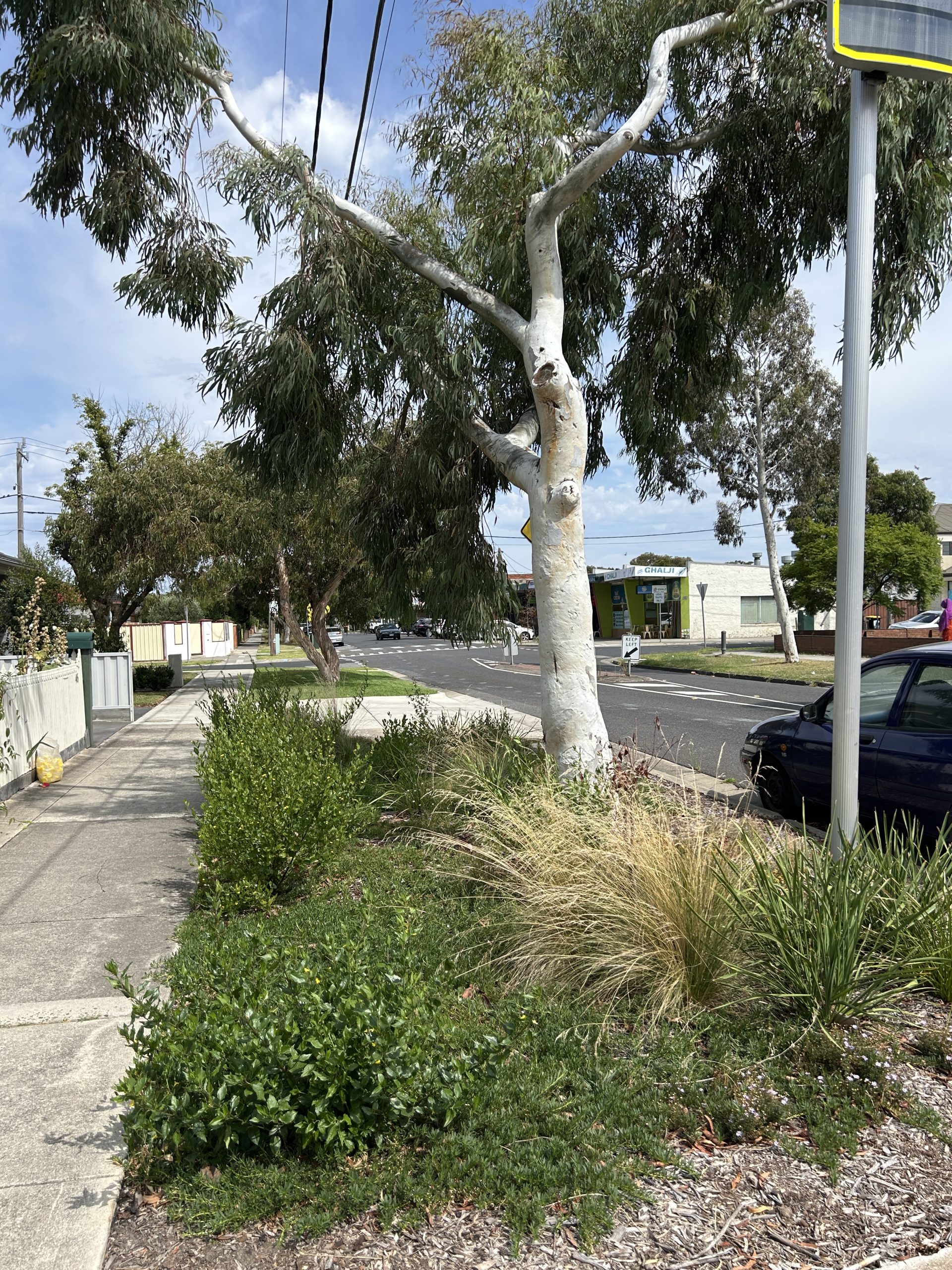
In response to this problem, Professor Sarah Bekessy has created a Nature Pledge for Developers to create a framework for developers / investors / certifiers to act in a biodiversity-sensitive way. And this isn’t just limited to developments outside of cities – existing urban areas can support nature recovery and enhance biodiversity (Biodiversity Council 2024b).
As a member of the Biodiversity Council, Prof Bekessy recently pitched this Nature Pledge initiative at the Global Nature Positive Summit 2024. She says there’s a real need to capitalise on this attention to nature: “Businesses are scrambling to work out what their nature dependencies, risks and impacts are.”
Prof Bekessy explains that the pledge has been a success so far: “We’ve had a couple of developers already signed up but we’re really trying to get as many as we can before COP16..”
The Nature Pledge includes an action plan that will take effect on July 1, 2025 that sets out a commitment to sustainable housing and commercial developments. This entails various actions such as ecological due diligence assessments to identify threatened species habitats, an end to clearing of remnant vegetation and restoration of fragmented nature (The Biodiversity Council 2024a).
You can sign up or learn more about the pledge here: https://naturepledge.org.au/
To hear more about the reflections on the Nature Positive summit, You can watch the recording of the Webinar below or via this YouTube link: https://www.youtube.com/watch?v=YmcGB-EmBTA&t=14s
References
The Biodiversity Council (2024a). Nature Pledge. Available: https://naturepledge.org.au/
The Biodiversity Council (2024b). Webinar: Nature Positive Summit – key takeaways and next steps. 24th October 2024. Available: https://biodiversitycouncil.org.au/news/webinar-global-nature-positive-summit