Native animals can make for excellent neighbours – blue-banded bees pollinate our vegetable gardens; microbats eat up to 1200 mosquitoes per night; powerful owls keep rodents at bay. But could we go one step further and design our homes so that we could have native animals as housemates?
Bethany Kiss’ design piece ‘When wildlife moves in’ is currently showing as part of the Making Good: Redesigning the Everyday exhibition at the National Gallery of Victoria (NGV). Based on data analysis of more than seventy thousand wildlife reports from Wildlife Victoria, When wildlife moves in builds on the fact that in Australia we are already, sometimes unknowingly, sharing our houses with animal inhabitants. Revealing how our homes already serve as habitats in uniquely Australian ways, the project reimagines architecture as a shared ecological resource, in which thoughtful design can facilitate meaningful coexistence with native wildlife.
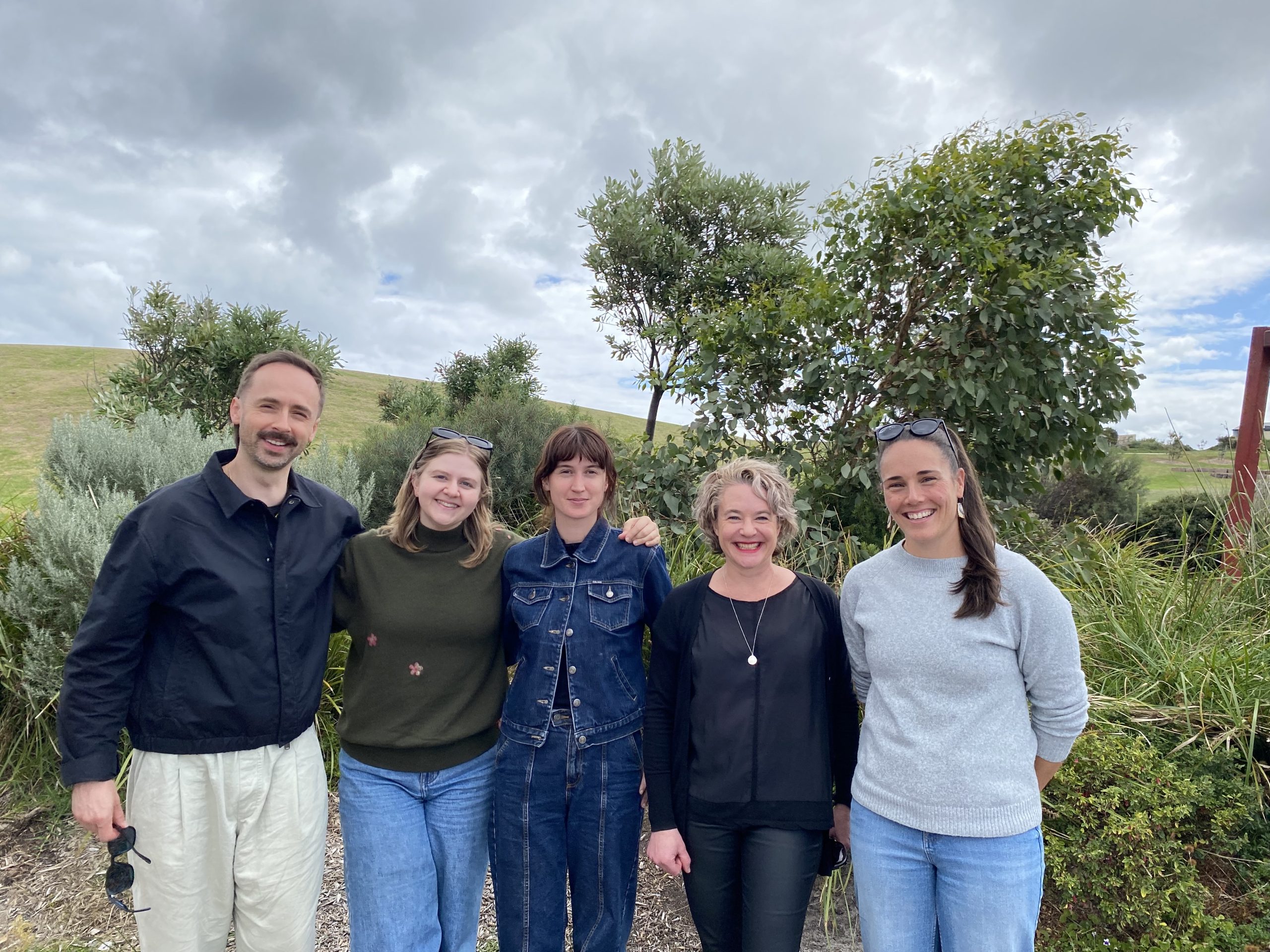
Beth has collaborated on this piece with Prof Sarah Bekessy (ICON lead), Prof Mark Jacques (Urban Designer & Landscape Architect), Freya Lauersen (Web & Graphic Designer) and LOVEDAVID (Artist).

The exhibition is showing from 29 Aug 2025 to 1 Feb 2026 at The Ian Potter Centre: NGV Australia, Fed Square, Ground Level, NGV Design Studio.
Find out more here: https://whenwildlifemovesin.com/
References
National Gallery of Victoria (NGV). (2025). Making Good: Redesigning the Everyday. Last accessed on September 5th 2025. Available: https://www.ngv.vic.gov.au/exhibition/making-good/